Beacon
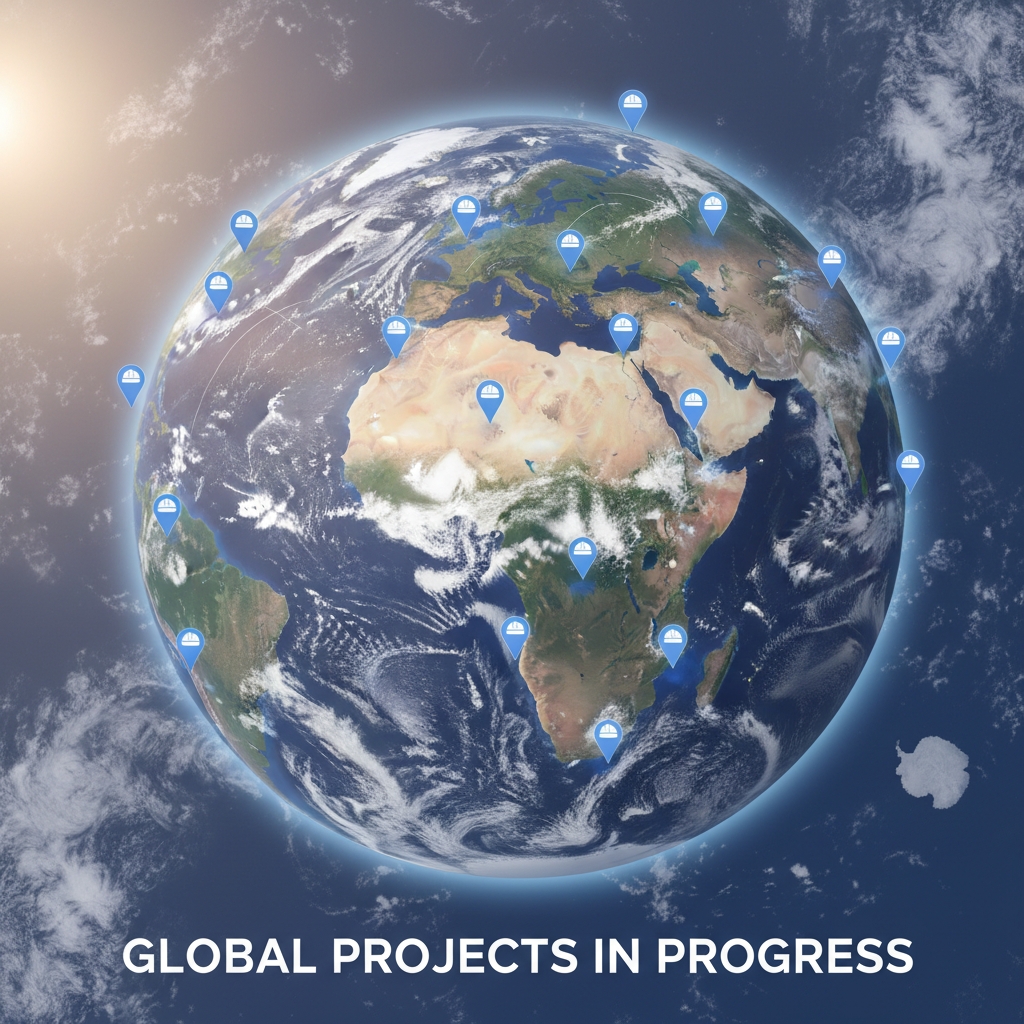
Satellite view of Earth showing active project locations
Field Intelligence ยท Updated May 30, 2026

Every number
tethered to
a human story.

LIVE
0.0M

Total Lives Impacted

Across 37 countries since 2008

LIVE
0ยข

Program Dollar Efficiency

Of every dollar reaches the field

LIVE
0

Countries with Active Projects

214 field teams operating right now

Scroll to explore programs

The Problem ยท Water Access

785 million people drink water from sources contaminated with cholera, typhoid, and arsenic โ€” a 4-mile round trip to collect it.

In sub-Saharan Africa, women and girls spend a collective 40 billion hours per year collecting water โ€” time stripped from education, work, and rest.

Field Report ยท Malawi, 2025

Drilling 47 wells in the Shire Valley changed the radius of possibility.

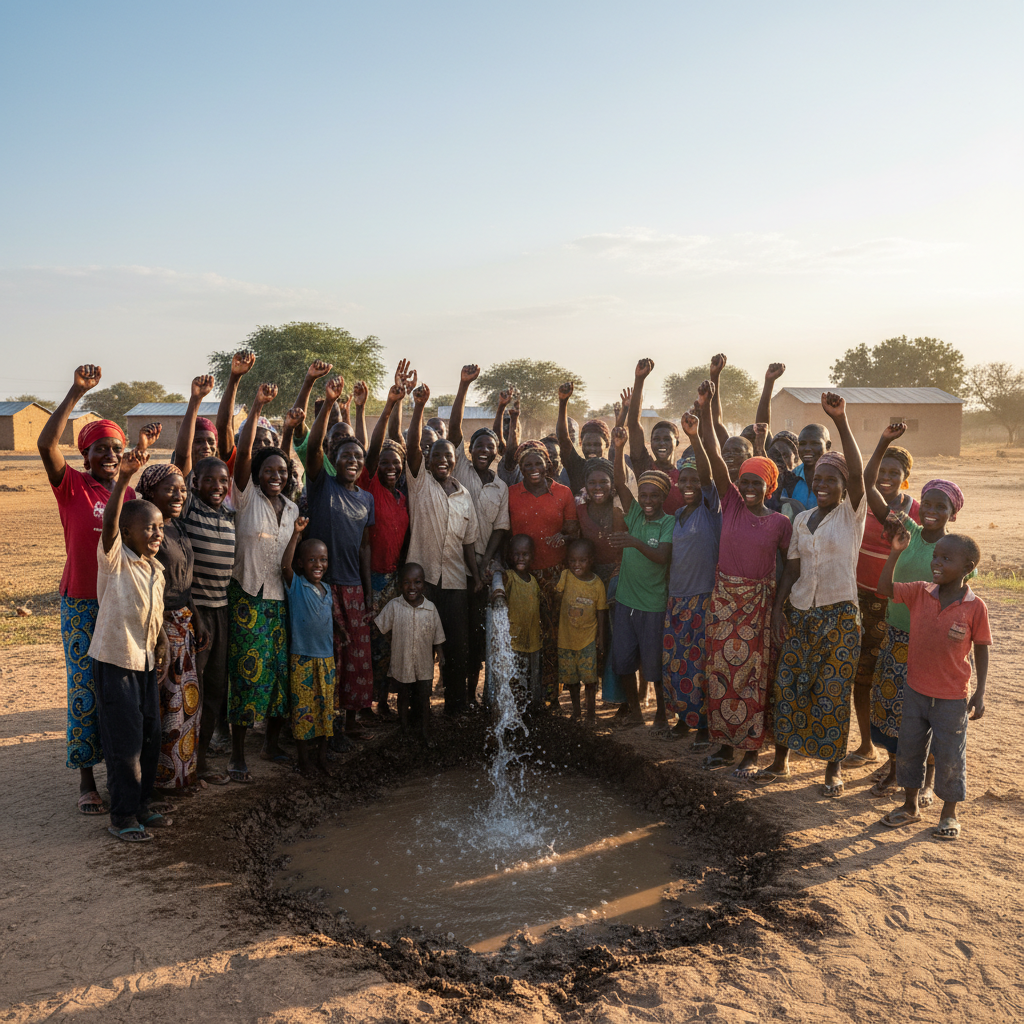
In Nsanje District, the average water collection distance was 3.8 km. Beacon's hydrogeological survey teams identified 47 viable borehole sites across 12 villages. Within 14 months, every site was operational.

The result: 94,000 people now walk 400 meters or less. School attendance among girls aged 10โ€“14 increased 31% in the first academic year post-installation.

47

Wells Drilled

94K

People Served

31%

Girls Back in School

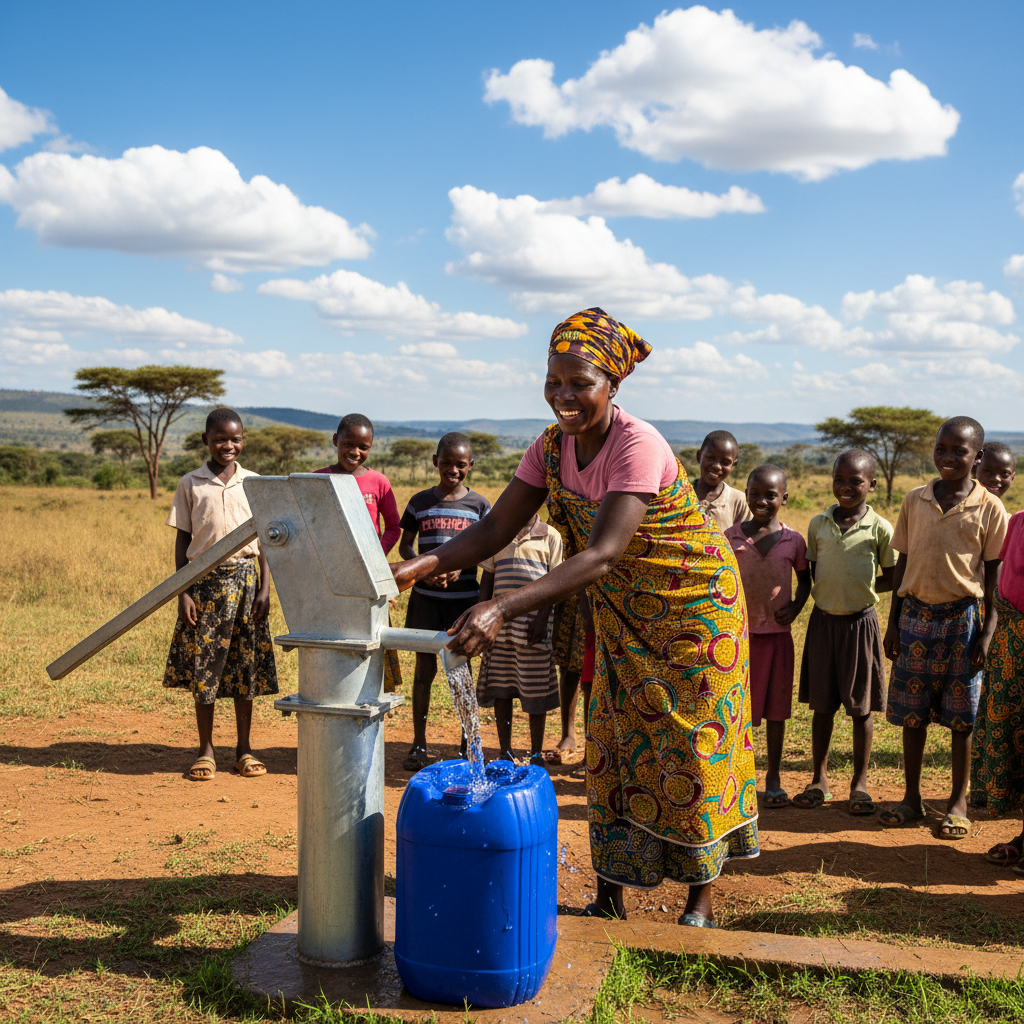
Women and children collecting clean water from a newly installed borehole in Malawi
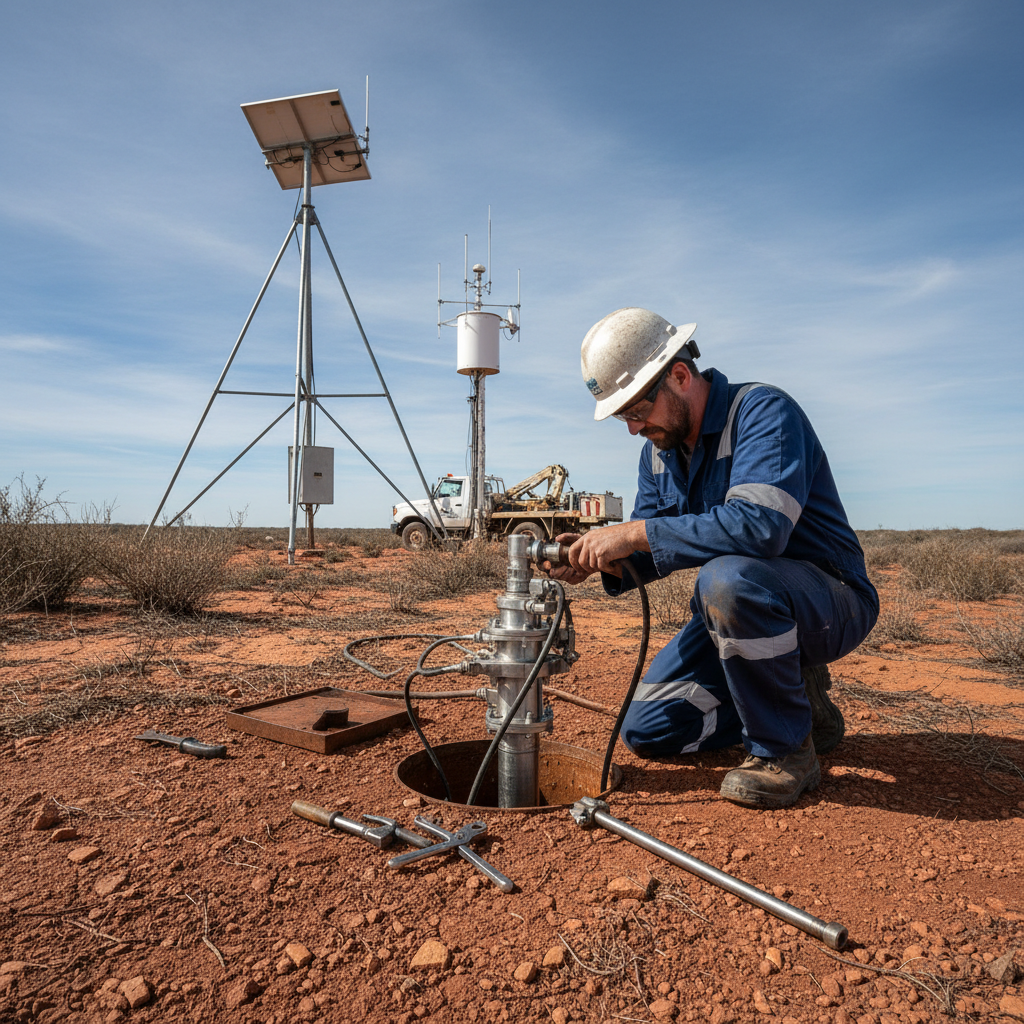
Beacon field technician installing water pump mechanism at borehole site
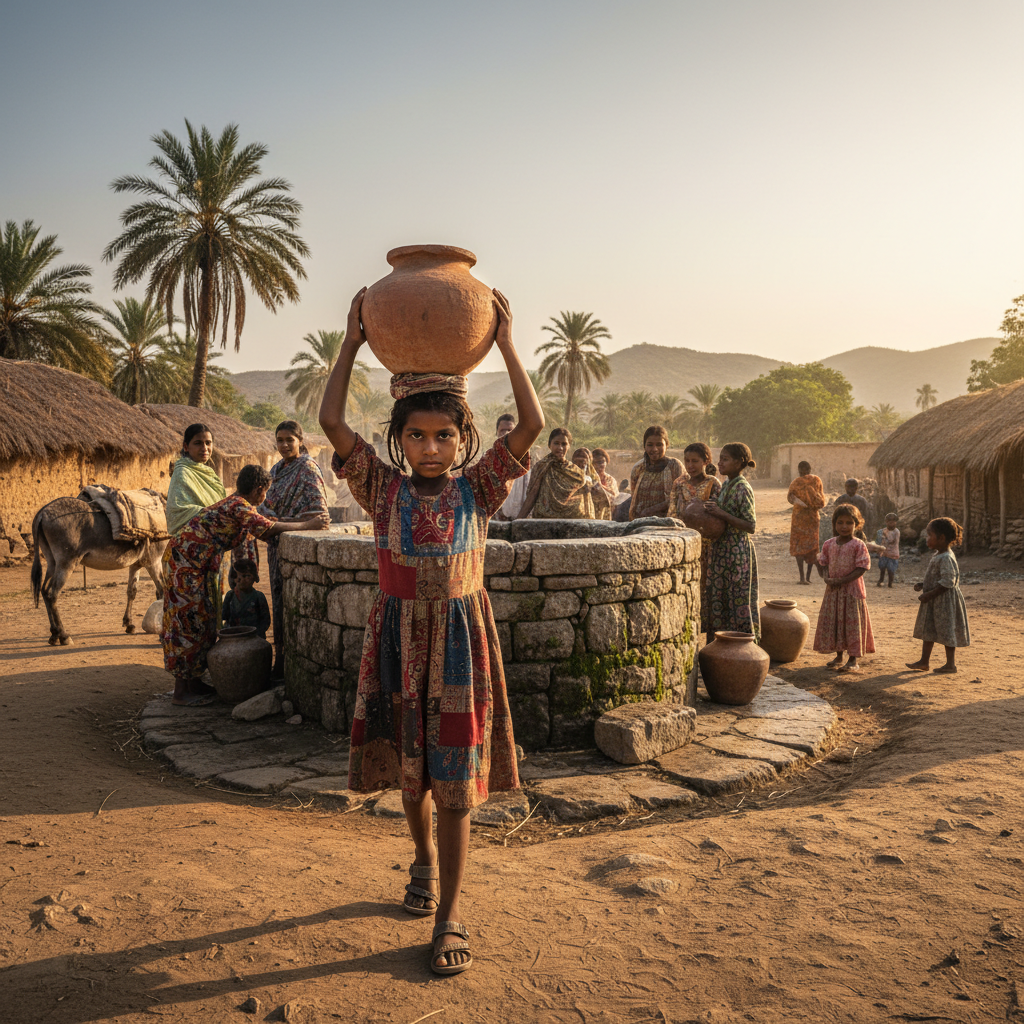
Young girl carrying water container near village well in sub-Saharan Africa

Outcome Comparison

Nsanje District Water Access

2023โ€“2025
Avg. Collection Distanceโ†‘ km
BEFORE3.8 km
AFTER 18 MONTHS0.4 km
Waterborne Illness Cases (per 1K)โ†‘ /1K
BEFORE142/1K
AFTER 18 MONTHS23/1K
Girls School Attendanceโ†‘ %
BEFORE54%
AFTER 18 MONTHS85%
Households with Safe Waterโ†‘ %
BEFORE12%
AFTER 18 MONTHS94%

* Data collected by independent M&E partner Innovations for Poverty Action, Q4 2025.

Aerial view of completed well installation with community members gathered around clean water source

3:42 โ€” The Last Mile

A field documentary on what happens after the drill hits water.

Watch Field Report

The Problem ยท Education Access

1 in 4 children in sub-Saharan Africa has never stood inside a classroom โ€” not because they won't learn, but because the building doesn't exist.

258 million children are out of school globally. The gap is not ambition โ€” it's infrastructure.

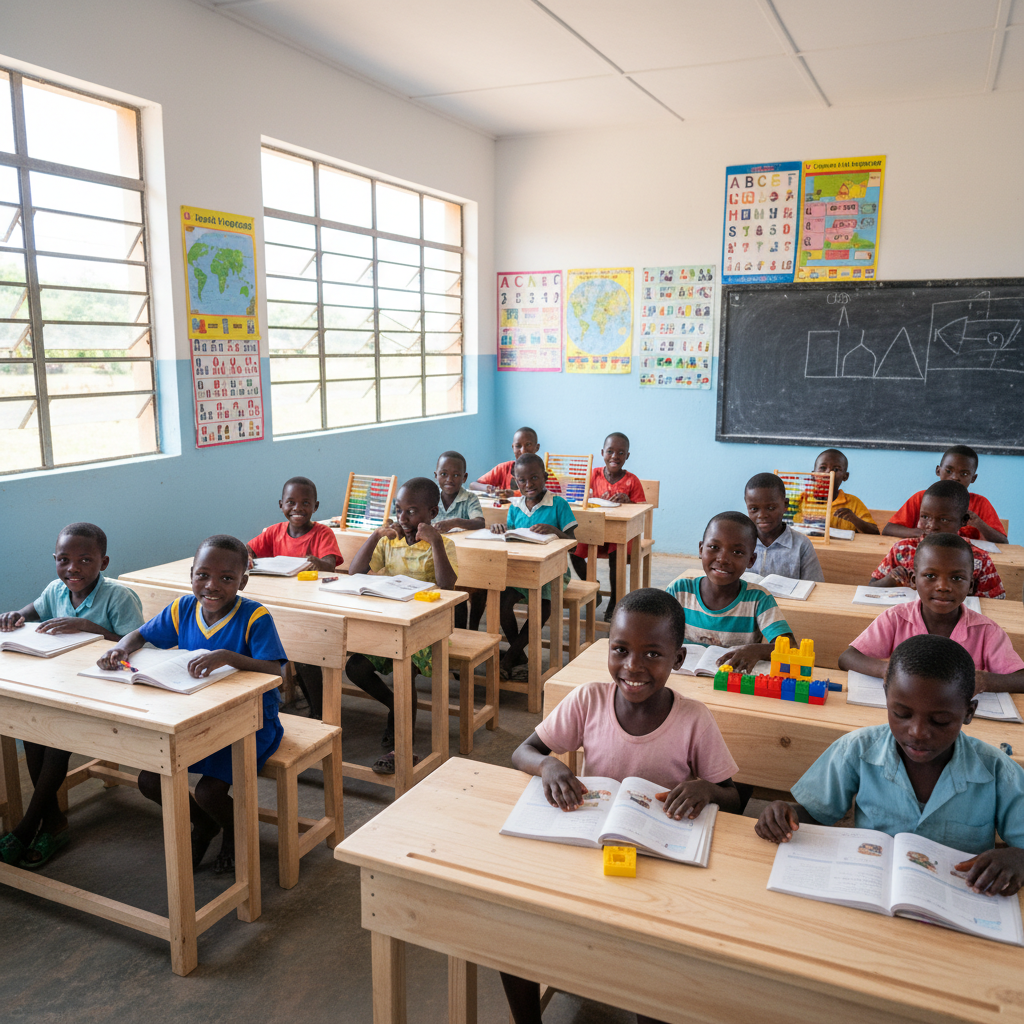
Children sitting in newly constructed classroom in Uganda with textbooks and learning materials

Field Report ยท Uganda, 2025

Building 12 schools in Karamoja restructured the next generation's trajectory.

In Moroto District, 68% of children aged 6โ€“14 had never set foot in a classroom. Beacon partnered with local governments to construct 12 permanent schools โ€” not temporary structures, but buildings designed to outlast the next 50 years.

12

Schools Built

8,400

Students Enrolled

94

Teachers Trained
Read Full Field Report
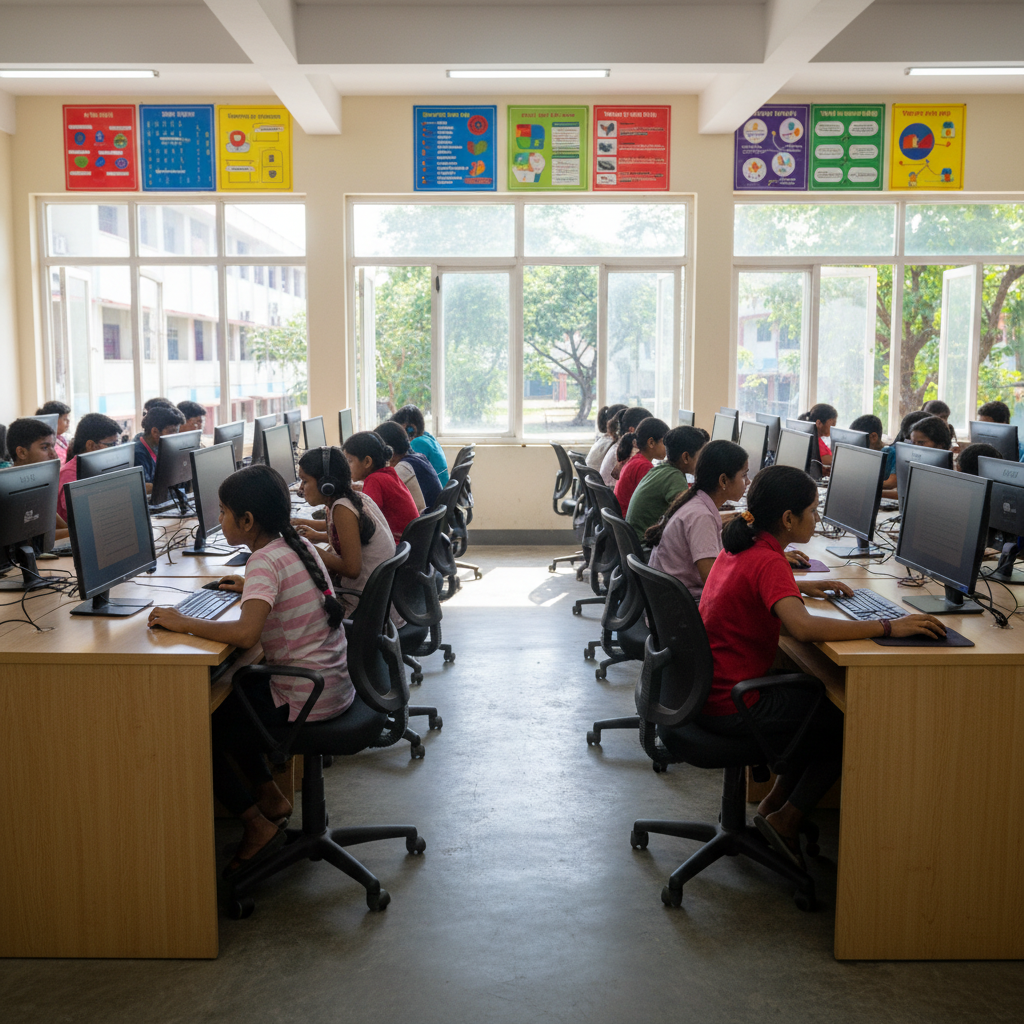
Students using computers in newly equipped digital literacy lab in Bangladesh school

Field Report ยท Bangladesh, 2025

Digital literacy labs in Sylhet Division connected 3,200 students to a global economy.

Access to a device and a reliable internet connection separated these students from opportunity. Beacon installed 68 computer labs across 34 schools โ€” with curriculum designed by local educators, not imported.

68

Labs Installed

3.2K

Students Connected

94%

Job Placement Rate

Read Full Field Report

Outcome Comparison

Karamoja Education Outcomes

2023โ€“2025
Children Enrolled in Schoolโ†‘ %
BEFORE32%
AFTER 18 MONTHS78%
Literacy Rate (ages 10โ€“14)โ†‘ %
BEFORE28%
AFTER 18 MONTHS67%
Teacher-to-Student Ratioโ†“ :72 โ†’ :28
BEFORE1:72 โ†’ :28
AFTER 18 MONTHS1:72 โ†’ :28
Girls Completing Primaryโ†‘ %
BEFORE19%
AFTER 18 MONTHS61%

* Verified by UNICEF Education Monitoring Framework, Annual Survey 2025.

Sector Benchmark

Overhead vs. Industry

Program dollar efficiency โ€” higher is better

Audited 2025
BeaconUS
91ยข
Sector Average
74ยข
Large INGOs
68ยข
Industry Minimum
60ยข

Source: Charity Navigator 2025 Sector Report, GuideStar Platinum Rating. Beacon overhead ratio: 9.2%. Data independently verified by PricewaterhouseCoopers, February 2026.

The Problem ยท Community Health

A child born in the Central African Republic is 50 times more likely to die before age five than a child born in Norway โ€” from diseases we've known how to prevent since 1796.

5.2 million children under five die annually from preventable causes. The barrier is not medicine โ€” it's last-mile delivery infrastructure.

1.2M

Vaccines Delivered

+340K vs prior year

847

Community Health Workers

Trained & Certified

63%

Child Mortality Reduction

Across 14 districts

2.1M

Malaria Nets Distributed

Sub-Saharan Africa

Health

"We don't treat patients. We restructure the conditions that made them patients in the first place."

Dr. Amara Diallo, Chief Medical Officer at Beacon

Dr. Amara Diallo

Chief Medical Officer ยท Beacon

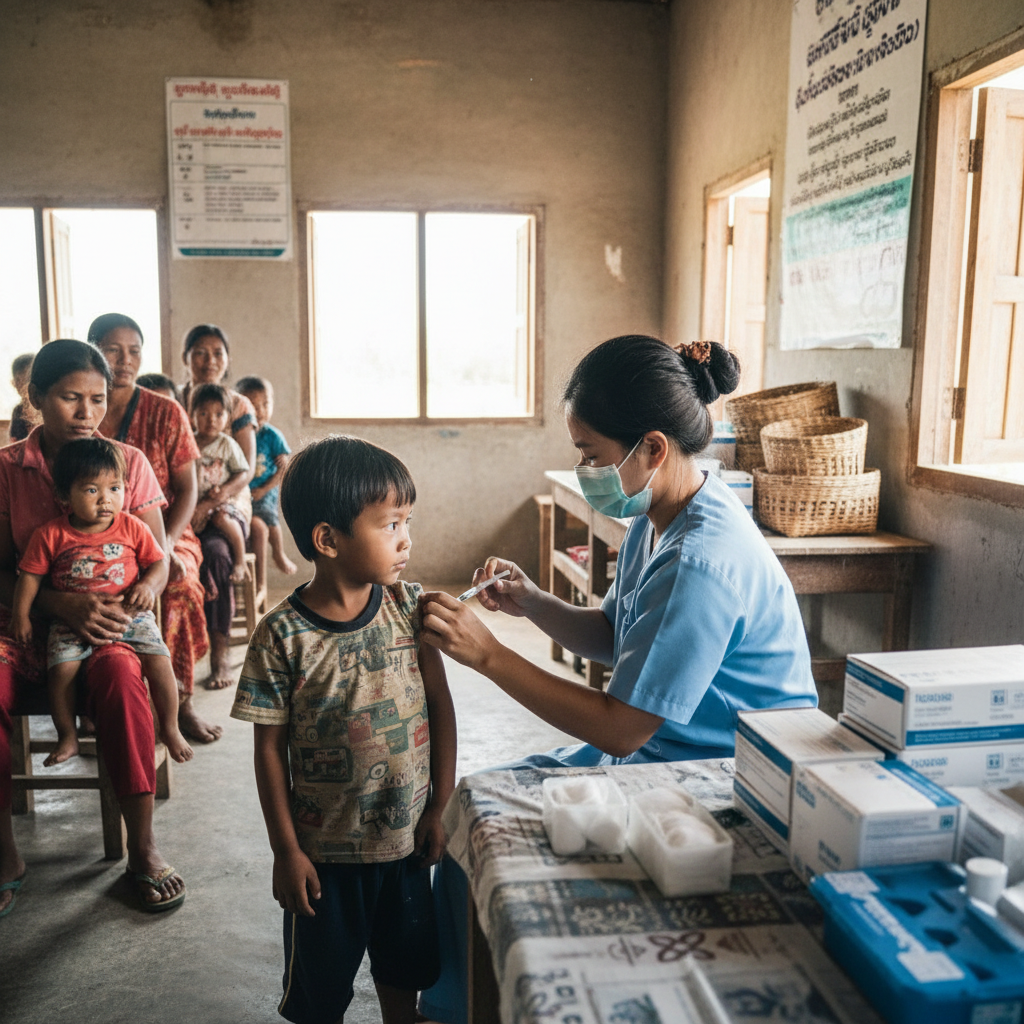
Beacon community health worker administering vaccines to children at rural clinic in Democratic Republic of Congo
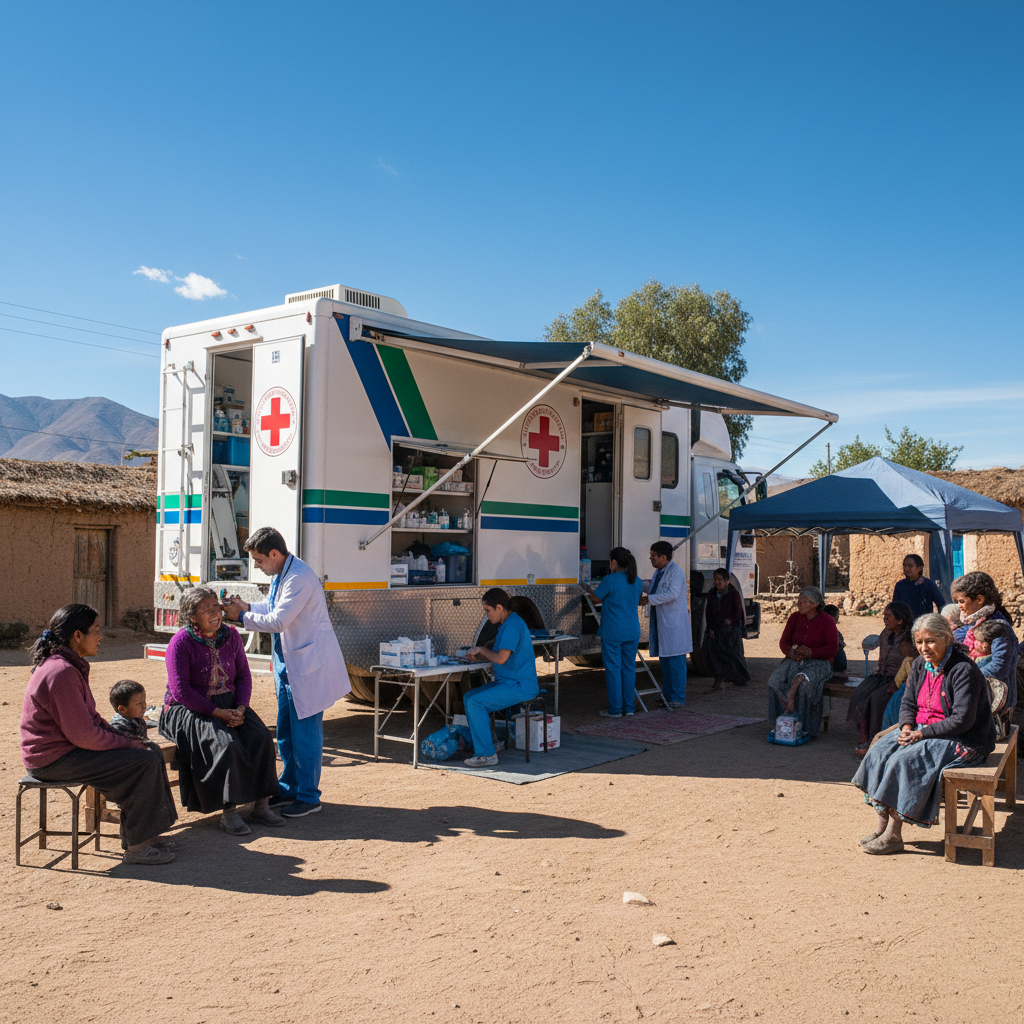
Mobile health clinic truck providing medical services in remote village
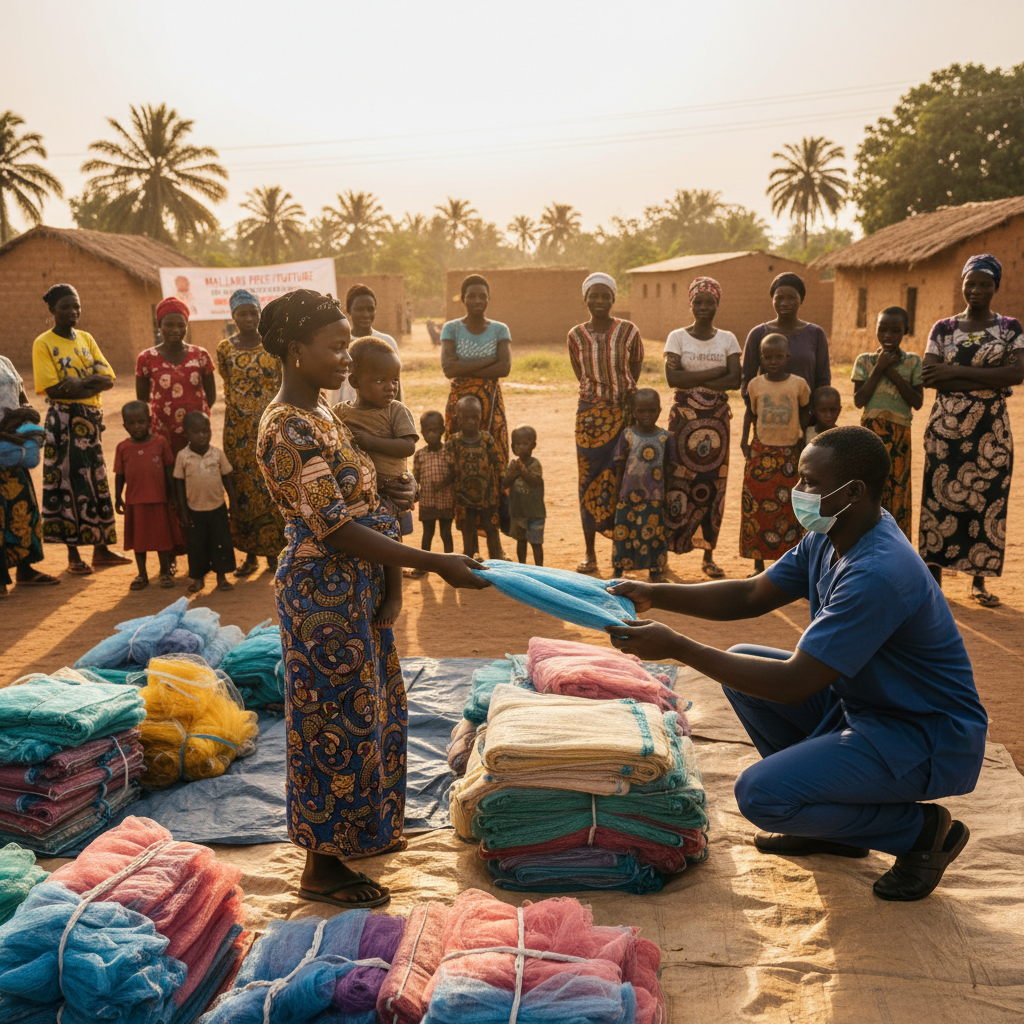
Healthcare worker distributing malaria prevention nets to families in sub-Saharan Africa

Outcome Comparison

DRC Eastern Province Health Outcomes

2023โ€“2025
Under-5 Mortality Rate (per 1K)โ†‘ /1K
BEFORE94/1K
AFTER 18 MONTHS35/1K
Vaccination Coverageโ†‘ %
BEFORE31%
AFTER 18 MONTHS87%
Malaria Incidence (per 1K)โ†‘ /1K
BEFORE387/1K
AFTER 18 MONTHS142/1K
Skilled Birth Attendanceโ†‘ %
BEFORE22%
AFTER 18 MONTHS71%

* Data: WHO/UNICEF Joint Monitoring Programme, DRC Country Office, 2025.

The Problem ยท Emergency Response

ACTIVE CRISES: 3

The average time between a climate disaster and the first aid delivery is 72 hours. Beacon's pre-positioned field teams cut that to 8 hours.

The first 72 hours determine survival outcomes for 80% of disaster-affected populations. Response speed is not a logistics problem โ€” it's a funding and positioning problem.

Live Field Operations

Active Emergency Responses

LIVE
CRITICALHorn of AfricaDrought / Food Crisis
Deployed: 48h ago340,000 affected
Emergency Fund Coverage68%
HIGHNorthern SyriaDisplacement / Shelter
Deployed: 6 days ago87,000 affected
Emergency Fund Coverage82%
HIGHHaitiPost-Earthquake Reconstruction
Deployed: 14 days ago214,000 affected
Emergency Fund Coverage91%
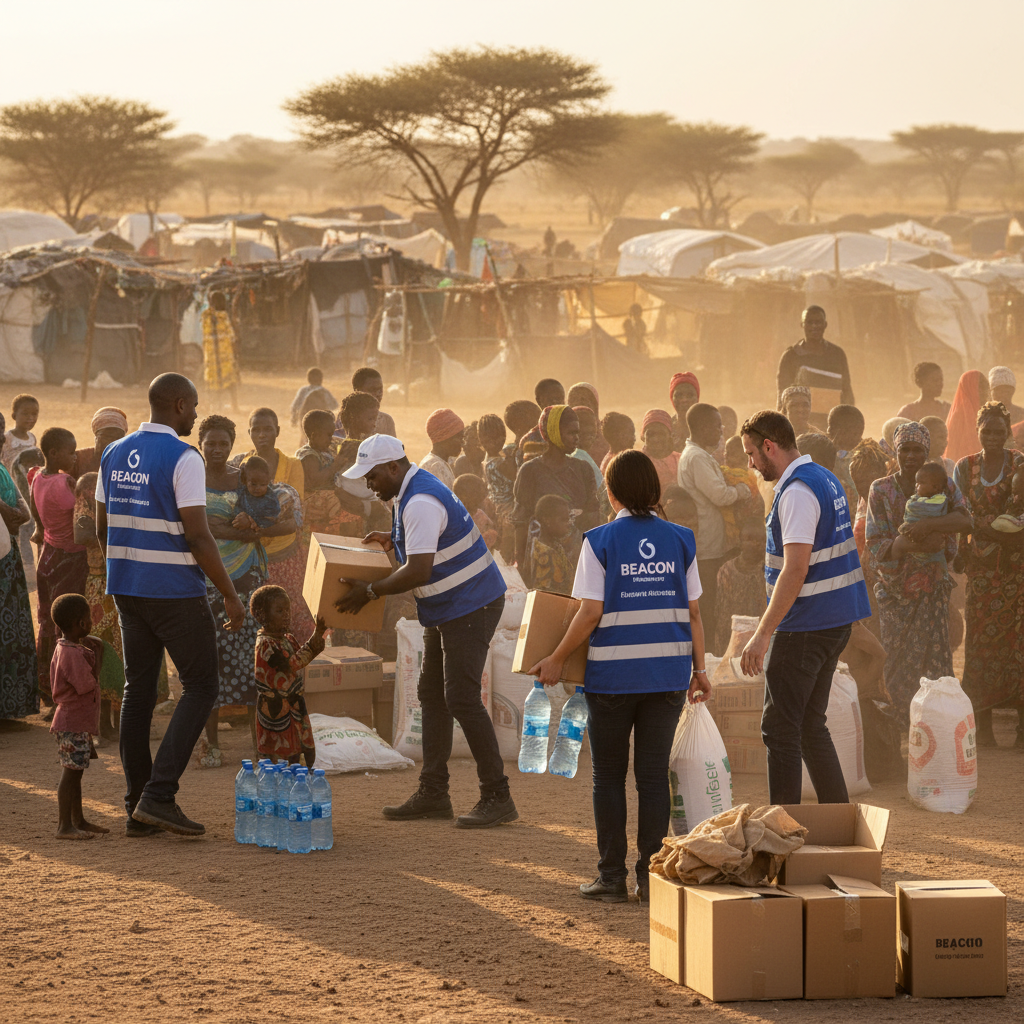
Beacon emergency response team distributing food aid and supplies to displaced families in Horn of Africa

Beacon field team, Dolo Ado distribution point, February 2026. 340,000 people reached in the first 96 hours.

Outcome Comparison

Horn of Africa Drought Response

2024โ€“2025
Acute Malnutrition Rateโ†‘ %
BEFORE34%
AFTER 18 MONTHS11%
Avg. Aid Response Timeโ†‘ hrs
BEFORE72hrs
AFTER 18 MONTHS8hrs
Food Security Coverageโ†‘ %
BEFORE23%
AFTER 18 MONTHS78%
Displaced Families Shelteredโ†‘ %
BEFORE12%
AFTER 18 MONTHS89%

* OCHA Situation Report #14, Horn of Africa Crisis, January 2026.

Quarterly Intelligence

The receipts are in the report.

148 pages. Every dollar traced. Every outcome measured. The 2025 Annual Impact Report โ€” built for program officers, board members, and donors who demand evidence over narrative.

No spam. One email with the PDF. Unsubscribe in one click.